
Aging is a beautiful part of life — but it often brings changes that can challenge even the most independent older adults. Families nationwide are juggling care for aging loved ones while trying to maintain balance in their own lives. In fact, a recent survey shows that 63 million Americans are currently family caregivers, increasing both emotional and physical strain on families everywhere.
In-home care services aren’t about giving up independence; they are about support, safety, and dignity — and helping older adults remain in the place they love most: home. If you are a family member in Greensboro, High Point, or the surrounding Triad communities and are considering senior care, here are seven signs that it might be time to consider professional home care for your loved one.
1. Daily Tasks Are Becoming Overwhelming
One of the clearest early indicators that in-home care might help is when a loved one starts struggling with basic daily tasks — things most of us take for granted, like bathing, dressing, preparing meals, and staying clean and well-groomed. 3 4 5 6 These Activities of Daily Living (ADLs) are key to independent living. When a parent skips showers, wears the same clothes for multiple days, or needs assistance with buttons or shoes, it’s a sign that regular assistance could make a real difference — not just for safety, but for comfort and self-esteem. 7
2. Increased Forgetfulness or Cognitive ChangesMemory loss becomes a serious concern when it affects safety, routine, or health decisions. Families often notice things like: 8
- Missed medications9
- Repeating the same question10
- Difficulty following familiar routines11
- Getting lost on familiar routes12
These can be early signs of cognitive changes, including dementia or Alzheimer’s disease. Even if your loved one feels physically capable, cognitive challenges like leaving medication unopened for days or forgetting to pay bills can seriously affect their safety and well-being.13 14 15
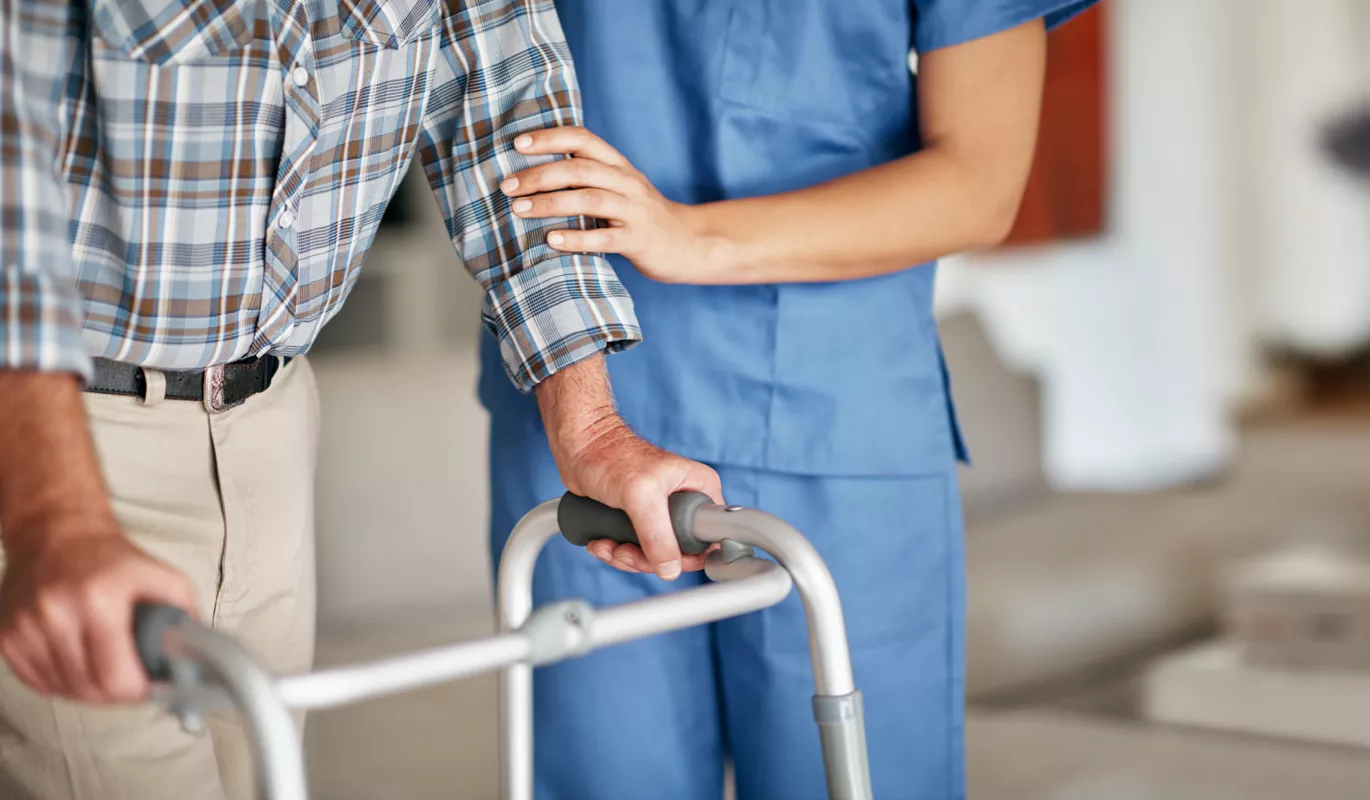
3. Mobility Challenges and Fall RisksDecreased mobility is one of the most common reasons families seek home care in the Triad area. As people age, muscle strength naturally decreases, and mobility issues can become more prominent, leading to an increased risk of falls, fractures, and long recovery times.Alarming Stat: Falls are one of the leading causes of injury among older adults.If your loved one hesitates on stairs, grips walls for balance, or needs help getting out of a chair, it’s a serious warning sign. A professional caregiver can help with safe transfers, walking support, and mobility guidance, which significantly reduces the likelihood of a fall and preserves independence.
4. Significant Changes in Personal Hygiene or AppearanceWhen daily grooming and personal care drop off, it’s more than a cosmetic concern — it could reflect physical barriers or deeper health issues. Changes in hygiene often correlate with functional decline.If a once-meticulous loved one begins skipping showers, wearing stained or mismatched clothes, or shows sudden weight loss, it signals that these everyday tasks are becoming a burden. This is where compassionate, non-medical personal care really makes a difference.
5. The Home Is No Longer Being MaintainedThe condition of a senior’s home often mirrors what’s happening in their daily life. Piles of unopened mail, food spoiling in the fridge, accumulating trash, and unpaid bills can be early indicators that routine tasks are becoming too difficult.These changes often reflect a decline in energy or capacity. Assistance with light housekeeping, meal preparation, errands, and organization can ensure your loved one’s home remains a safe and pleasant environment.
6. Family Caregiver Burnout is Setting InCaring for an aging family member isn’t just physically demanding — it’s emotionally draining. If you find yourself skipping social events, your job performance has suffered, or you feel constantly “on call,” you may be experiencing caregiver burnout.Professional senior care doesn’t just help your loved one; it provides you with respite care — a chance to rest, recharge, and reconnect with the person you care about, without the pressure of having to do everything yourself.
7. Safety Concerns Are IncreasingYou don’t have to wait for a crisis to seek help. Early safety signs often include:
- Wandering or confusion
- Leaving appliances on (like the stove)
- Forgetting to lock doors
- Repeated minor injuries
These can all be precursors to emergencies. Home care provides consistent monitoring and safety planning so that small issues do not escalate into major problems, ensuring safety and peace of mind for everyone.
Why Early Intervention MattersExperts estimate that 70% of adults who live past age 65 will develop significant long-term care needs. Seeking help early can dramatically improve their quality of life, reduce hospital visits, and make it possible for your loved one to remain comfortably at home longer.Needing help is not a failure — it’s a smart, strategic decision to promote safety, health, and independence.Start Your Senior Care Journey with Triad CaregivingAt Triad Caregiving, we focus on compassionate, customized in-home support for older adults throughout Greensboro, High Point, Jamestown and the surrounding Triad communities.We offer essential services including:
- Personal Care: Help with bathing, grooming, dressing, and mobility.
- Meal Support: Balanced meal preparation and nutrition support.
- Light Housekeeping & Errand Running: Maintaining a safe and tidy home.
- Respite Care: Giving family caregivers a much-needed break.
- Companionship: Reducing isolation and improving emotional well-being.
Deciding it’s time for home care can feel overwhelming, but you don’t have to do it alone. We offer free consultations and personalized care assessments to help your family determine the best path forward.Ready to talk about home care services?
📞 Contact Triad Caregiving – Greensboro / High Point NC at (336) 617-6001
🌐 Visit us at www.TriadCaregiving.com
📍 Our office is located at 3809 W Market St, Greensboro, NC